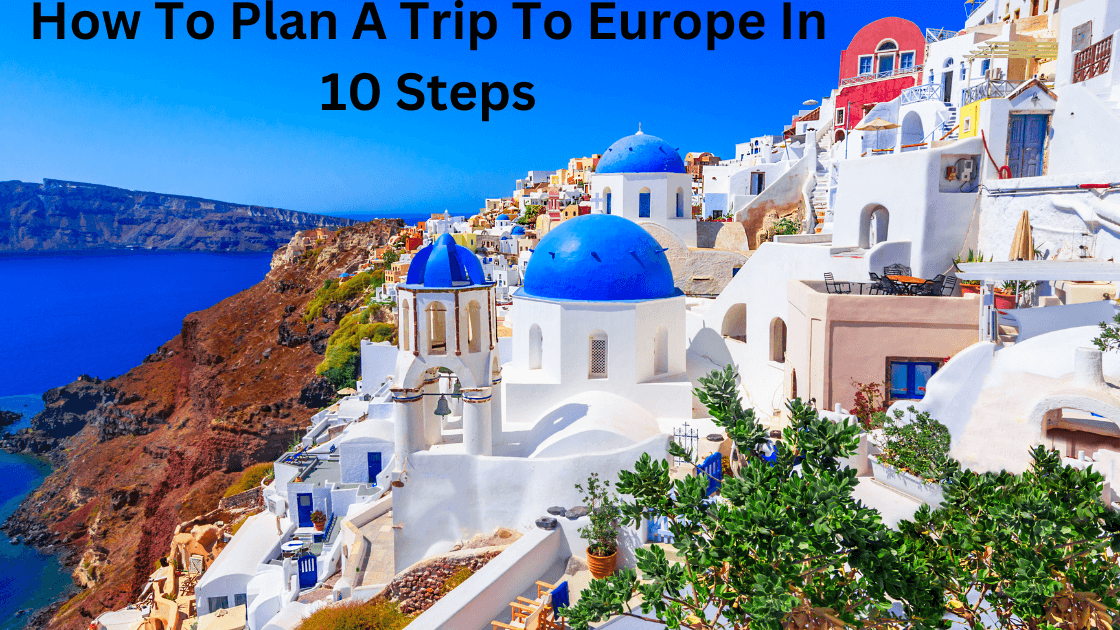
Embarking on a European adventure requires more than a dream; it demands a plan. “How To Plan A Trip To Europe” is your compass for navigating the vast cultural landscape of this historic continent.
From the sun-kissed Mediterranean shores to the cobblestone alleys of medieval towns, Europe’s diversity is its charm.
This guide is crafted to simplify your journey, ensuring every step, from itinerary creation to packing essentials, is clear and concise.
How To Plan A Trip To Europe
Whether you’re a seasoned traveler or a first-time explorer, these insights will transform your European escapade into an unforgettable experience. Let’s begin the journey of a lifetime.
Step 1: Preliminary Research
Let’s delve into the importance of preliminary research when planning a trip to Europe and explore some valuable resources for inspiration and information.
The Importance of Preliminary Research
Preliminary research is a crucial first step in planning any trip, especially to a diverse and culturally rich continent like Europe. Here’s why it’s so important:
Avoiding Overwhelm
Europe is vast, with many destinations to explore. Research helps narrow down options to what best suits your interests and budget.
Cultural Insight
Understanding local customs, language basics, and cultural norms is essential for a respectful and enriching experience.
Logistical Planning
Knowing visa requirements, transportation options, and climate conditions can streamline travel and prevent unexpected issues.
Budget Management
Researching costs of living, currency exchange rates, and potential expenses helps create a realistic budget.
Safety
Awareness of travel advisories, health requirements, or safety concerns is vital for a secure journey.
Resources for Inspiration and Information
When it comes to gathering inspiration and information for your European adventure, here are some top resources:
Travel Blogs and Forums
Real travelers share their experiences, tips, and itineraries, which can be incredibly insightful.
Guidebooks
Publishers like Lonely Planet and Rough Guides offer detailed information on destinations, including maps and must-see attractions.
Travel Apps
Apps like TripAdvisor and Wanderlog provide user reviews and tools for organizing your trip details.
Social Media
Platforms like Instagram and Pinterest are great for visual inspiration and discovering lesser-known spots.
Cultural Websites
UNESCO’s World Heritage List and National Geographic offer deep dives into significant sites and their histories.
Step 2: Documentation
Passports
Validity
Your passport should be valid for at least three months beyond your planned departure date from the Schengen area.
Age of Passport
If you were 16 or older when your passport was issued, it is valid for ten years. If you were under 16 when your passport was issued, it is valid for five years.
Blank Pages
Some countries require at least two blank pages for stamps upon entry and exit.
Visas
Schengen Visa
If you’re a non-EU national, you may need a Schengen visa. This allows you to travel to 26 European countries that have abolished passports and other types of border control at their mutual borders.
Visa Waiver
Citizens from certain countries, like the U.S., can enter Schengen without a visa for short stays (up to 90 days within 180 days).
ETIAS
Starting in mid-2025, visa-exempt non-EU nationals must obtain an ETIAS (European Travel Information and Authorization System) authorization before traveling.
Other Documents
Travel Insurance
It’s advisable to have travel insurance that covers medical expenses, trip cancellation, and lost luggage.
Health Documents
Depending on the current health situation, you may need a COVID-19 vaccination certificate, recovery document, or negative test result.
Proof of Accommodation
You might be asked to show proof of where you’ll stay, such as hotel reservations or an invitation letter from a host.
Proof of Financial Means
You should be able to demonstrate that you have enough funds to support yourself during your stay.
Return Ticket
Some countries may require proof of a return or onward ticket.
Special Considerations
Minors
Additional documents like birth certificates or consent letters may be required if traveling with children.
Pets
If you bring pets, they need documentation, including a pet passport and proof of vaccination.
Step 3: Budgeting
Creating a comprehensive budget is a fundamental aspect of planning your European adventure. Here’s how to approach it.
Determine Your Travel Style
Luxury
Your budget will be significantly higher if you prefer staying in high-end hotels, dining at upscale restaurants, and taking private tours.
Mid-range includes comfortable accommodations, occasional fine dining, and some paid attractions.
Budget
For those looking to stretch their euros, consider hostels, free activities, and self-catered meals.
15 Ways To Save For Your Vacation
Estimate Major Expenses
Flights
Airfare can be one of the biggest expenses. Prices vary widely based on season, airline, and booking time.
Accommodation
Costs range from budget hostels to luxury resorts. Remember, location affects price.
Transportation
Consider intercity trains, rental cars, or budget airlines for traveling within Europe.
Food
Eating out in Europe can be pricey. Mix in some grocery store meals to save money.
Account for Daily Spending
Attractions
Set aside funds for museum entries, tours, and experiences.
Souvenirs
Decide how much you’d like to spend on gifts and keepsakes.
Miscellaneous
Always have a buffer for unexpected expenses like tips, donations, or spontaneous activities.
Use Budgeting Tools
Spreadsheets
Track your expenses and adjust categories as needed.
Apps
Budgeting apps are used to monitor spending in real-time.
Save Money Where Possible
Early Bookings
Secure flights and accommodations early to get the best deals.
Travel Passes
Look into rail passes or city tourist cards for savings on transportation and attractions.
Eat Like a Local
Street food and local markets are cheaper and offer authentic culinary experiences.
Monitor Exchange Rates
Currency Fluctuations
Keep an eye on the exchange rate and consider exchanging money when rates are favorable.
Plan for Emergencies
Emergency Fund
Set aside a portion of your budget for unforeseen circumstances.
Step 4: Choosing Destinations
Selecting the right destinations is a pivotal part of planning your European trip. Here’s how to make informed choices:
Reflect on Your Interests
Cultural Attractions
If you’re drawn to art, history, and architecture, cities like Rome, Paris, and Athens are rich with museums and historical sites.
Natural Landscapes
For nature lovers, the Swiss Alps, Norwegian fjords, and the Scottish Highlands offer breathtaking scenery.
Culinary Experiences
Food enthusiasts should consider destinations known for their cuisine, such as Italy for pasta and pizza, France for pastries and cheese, and Spain for tapas.
Consider the Time of the Year
Peak Season
The summer months are busy and expensive, but they offer the best weather and full access to tourist attractions.
Shoulder Season
Spring and fall provide a balance of moderate weather and fewer crowds.
Off-Season
Winter can be cold, and some attractions may be closed, but you’ll find fewer tourists and lower prices.
Evaluate Your Time
Short Trips
Focus on one region or a couple of major cities to avoid spending too much time in transit.
Longer Stays
With more time, you can explore multiple countries or delve deeper into a single country’s culture.
Research Events and Festivals
Cultural Events
Europe’s festivals, like Spain’s La Tomatina or Germany’s Oktoberfest, can highlight your trip.
Seasonal Activities
Consider seasonal activities, such as skiing in the Alps during winter or beach holidays in the Mediterranean during summer.
Plan for Logistics
Travel Routes
Look at the map and plan a logical route that minimizes backtracking.
Transportation
Some destinations are better connected by train, others by plane. Choose based on convenience and budget.
Be Flexible
Open Itinerary
Leave room for spontaneity. Sometimes, the best experiences are unplanned.
Backup Options
Have alternatives in case of unforeseen circumstances like strikes or weather disruptions.
Step 5: Itinerary Planning
Creating a balanced itinerary is key to enjoying your European trip. Here’s how to craft one that combines city experiences with day trips.
Start with the Cities
Major Hubs
Select a few major cities that serve as your base. These should be well-connected and culturally rich.
Diverse Experiences
Choose cities that offer different experiences, such as a mix of historical sites, modern attractions, and natural beauty.
Incorporate Day Trips
Proximity
Look for interesting locations within a 1-2 hour journey from your base cities.
Variety
Include a variety of day trips, such as visits to small towns, natural parks, or nearby landmarks.
Balance Your Time
City Days
Allocate days to explore each city, ensuring you have enough time to see the highlights without rushing.
Day Trip Days
Set aside specific days for your day trips, considering the travel time and the hours needed at the destination.
Plan for Rest
Down Time
Don’t over-schedule. Ensure you have leisure time to relax or wander spontaneously through the city streets.
Flexible Days
Have some flexible days in your itinerary to accommodate changes or unexpected discoveries.
Consider Travel Fatigue
Travel Pace
Avoid planning long, back-to-back travel days. Give yourself time to rest and recover.
Local Transport
Understand the local transport options for your day trips to make travel as smooth as possible.
Sequence Your Itinerary
Logical Order
Arrange your itinerary logically to minimize travel time and maximize experiences.
Cultural Events
If there are events or markets you want to attend, make sure they fit into your itinerary’s timeline.
Review and Adjust
Realistic Plans
Review your itinerary to ensure it’s realistic and not too packed.
Local Advice
If possible, get input from locals or experienced travelers to refine your plans.
Step 6: Transportation
When traveling through Europe, you’ll have several transportation options, each with advantages and disadvantages. Here’s a detailed comparison of trains and planes:
Trains
Pros:
Scenic Routes
Trains often pass through picturesque landscapes, offering views you’d miss by air.
City Center to City Center
Train stations are usually located in the heart of cities, reducing the need for additional transportation.
Environmental Impact
Trains are generally more eco-friendly than planes.
Space and Comfort
More legroom and the freedom to move around during your journey.
No Baggage Fees
Most trains don’t charge extra for luggage.
Rail Passes
Options like the Eurail Pass can offer unlimited travel and flexibility.
Cons
Travel Time
Trains can be slower than planes, especially over long distances.
Cost
High-speed and overnight trains can be expensive without early booking or rail passes.
Frequency
Some routes may have limited schedules or require transfers.
Planes
Pros
Speed
Air travel is typically the fastest way to cover long distances.
Accessibility
Flights connect virtually all major European cities, often with multiple options per day.
Budget Airlines
Low-cost carriers can offer competitive prices, sometimes cheaper than trains.
Cons
Additional Costs
Budget airlines often have extra fees for baggage, seat selection, and even printing boarding passes.
Airports
Usually located outside city centers, requiring additional time and money to reach your destination.
Security and Check-in
Longer processes can add hours to your travel time.
Environmental Impact
Planes have a larger carbon footprint per passenger than trains.
Other Modes of Transportation
Buses
Often the cheapest option, but can be the slowest and least comfortable.
Offer freedom and flexibility but come with the hassle of parking and navigating foreign roads.
Ferries
A must for island destinations; they can be a relaxing way to travel but are subject to weather conditions.
Step 7: Accommodation
Securing the right accommodation is a vital part of your travel planning. Here’s a detailed guide to finding and booking the perfect places to stay in Europe:
Determine Your Preferences
Type of Accommodation
Decide whether you prefer hotels, hostels, vacation rentals, or bed and breakfasts.
Location
Consider staying in central areas close to attractions or outside the city center for quieter, often cheaper options.
Amenities
Identify what amenities are important to you, such as free Wi-Fi, breakfast included, or a swimming pool.
Research Options
Read Reviews
Review reviews from previous guests to gauge the quality and service of the accommodation.
Compare Prices
Use comparison websites to find the best deals for your chosen accommodation type.
Check Photos
View photos to ensure the place meets your expectations.
Book in Advance
Early Reservations
Booking early can secure better rates and ensure availability, especially during peak travel seasons.
Cancellation Policies
Opt for accommodations with flexible cancellation policies if your plans change.
Consider Alternative Accommodations
Local Stays
Consider homestays or local guesthouses for an authentic experience.
Short-term Rentals
Platforms like Airbnb offer the chance to stay in unique properties and often provide more space.
Understand the Payment Process
Deposits
Some places may require a deposit or full payment upfront.
Currency
Be aware of the currency you’ll be charged in to avoid unexpected fees.
Confirm Your Booking
Booking Confirmation
Always get a confirmation of your booking in writing, including dates, prices, and any agreed-upon amenities.
Contact Information
Have the contact details of the accommodation handy in case you need to get in touch.
Check-in Details
Arrival Time
Inform your accommodation of your expected arrival time, especially if it’s late at night or early in the morning.
Identification
Have your ID or passport ready for check-in, as many places require it.
Special Requirements
Accessibility
If you have any special needs, such as wheelchair access, confirm these accommodations in advance.
Dietary Restrictions
For places providing meals, inform them of any dietary restrictions you have.
Step 8: Activities and Attractions
Choosing the right activities and attractions can greatly enhance your European trip. Here’s a detailed guide to making those choices and why booking is crucial:
Identify Your Interests
Historical Sites
If you’re a history buff, prioritize castles, museums, and historical tours.
Outdoor Adventures
Nature enthusiasts should look for hiking trails, national parks, and excursions.
Cultural Experiences
Seek local cooking classes, craft workshops, or language exchanges for a deeper cultural immersion.
Research Must-See Attractions
Iconic Landmarks
List must-see sites like the Eiffel Tower in Paris or the Colosseum in Rome.
Hidden Gems
Don’t overlook lesser-known attractions that might offer a more authentic experience without the crowds.
Consider Timing and Seasonality
Opening Hours
Check the opening days and hours, as some attractions may be closed on certain days or seasons.
Seasonal Events
Be aware of any festivals or events that could be interesting.
Read Reviews and Recommendations
Traveler Feedback
Look at recent reviews from other travelers to get an idea of the experience and any tips they might have.
Local Advice
Ask locals for recommendations on what to see and do.
Importance of Booking in Advance
Guaranteed Entry
Popular attractions can sell out, especially during peak tourist seasons.
Skip the Line
Many places offer fast-track entry to those with pre-booked tickets.
Group Tours
If you’re interested in guided tours, these often require booking and can fill up quickly.
Special Access
Some attractions offer behind-the-scenes or after-hours tours only by booking ahead.
Discounts
You might find discounts for purchasing tickets online or as part of a package deal.
Plan Your Visits
Allocate Time
Decide how much time you want to spend at each attraction and plan your itinerary accordingly.
Travel Distance
Consider the distance between attractions and how you’ll travel from one to the other.
Flexibility
Plan B
Have backup options if your first choice is unavailable or the weather changes your plans.
Free Time
Leave some free time for spontaneous activities or rest.
Step 9: Packing and Preparation
When packing for Europe, it’s important to consider the continent’s diverse climates and cultural expectations. Here’s a detailed packing list to help you prepare for your trip:
Essential Documents
Passport
Ensure it’s valid for at least six months beyond your return date.
Travel Insurance
Carry proof of your travel insurance policy.
Emergency Contacts
List of emergency contacts and addresses.
Clothing
Layers
Pack various layers, such as T-shirts, long-sleeve shirts, sweaters, and a waterproof jacket.
Bottoms
Include versatile options like jeans, shorts, and leggings.
Dress Code
Research local customs; some places may require modest attire.
Footwear
Comfortable walking shoes, dress shoes, and sandals, depending on the season.
Accessories
Hats, scarves, and gloves for varying weather conditions.
Electronics
Chargers
This includes a universal travel adapter for all your devices.
Power Bank
To charge your devices on the go.
Toiletries
Basics
Toothbrush, toothpaste, shampoo, conditioner, soap, and deodorant.
Personal Items
Any personal hygiene items you may need.
Medications
Prescription medications and a basic first-aid kit.
Miscellaneous
Day Bag
This bag is for carrying essentials during day trips.
Reusable Water Bottle
To stay hydrated and save on buying bottled water.
Travel Towel
Quick-drying and compact, useful for hostels or beach visits.
Laundry Bag
To separate dirty clothes from clean ones.
Comfort Items
Travel Pillow
For comfort during long journeys.
Earplugs and eye masks help you sleep in noisy environments or during flights.
Entertainment
Books/E-Reader
For entertainment during downtime.
Travel Journal
To document your experiences.
Practicalities
Snacks
Non-perishable snacks for long travel days or hikes.
Maps and Guides
Physical copies can be useful where electronic devices fail.
Step 10: On-the-Ground Tips
Once you arrive in Europe, there are practical considerations to ensure your trip goes smoothly. Here are detailed tips for navigating on-the-ground realities.
Dealing with Jet Lag
Adjust Your Schedule
Before you leave, adjust your sleeping habits gradually to your destination’s time zone.
Stay Hydrated
Drink plenty of water before, during, and after your flight to help mitigate the effects of jet lag.
Get Moving
Once you arrive, exercise lightly, like walking, to help reset your body clock.
Sunlight Exposure
Spend time outdoors during daylight hours to help your body adjust to the new time zone.
Rest
Don’t overbook your first few days. Allow time for rest to recover from the journey.
Renting a Car
International Driving Permit
Depending on your home country, you may need an international driving permit and driver’s license.
Insurance
Check what insurance coverage you need and what the rental company provides.
Local Laws
Familiarize yourself with local traffic laws, which can vary significantly across Europe.
Navigation
Consider renting a GPS or using a smartphone app to help navigate unfamiliar roads.
Parking
Research parking options and restrictions in your visiting areas.
Using Public Transportation
Research
Look into the public transportation options available in each city, including buses, trams, and subways.
Tickets
Understand how to purchase tickets and whether buying single tickets, day passes, or multi-day passes is more economical.
Etiquette
Be aware of local customs, such as queuing for buses or giving up your seat to the elderly or pregnant women.
Dining and Shopping
Local Cuisine
Try local dishes and specialties. Eating where the locals eat often guarantees authenticity and better prices.
Tipping
Understand the tipping culture, which varies from country to country.
Shopping Hours
In some European countries, shops may close early or have a midday break.
Safety and Etiquette
Pickpockets
Be vigilant in tourist areas and public transportation, where pickpockets are more common.
Cultural Sensitivity
Respect local customs and traditions. Dress appropriately, especially when visiting religious sites.
Language
Learn a few basic phrases in the local language. It’s appreciated and can enhance your experience.
Staying Connected
SIM Cards
Consider buying a local SIM card for data and calls. Ensure your phone is unlocked before you leave home.
Wi-Fi
Take advantage of free Wi-Fi in public areas, but be cautious about conducting sensitive transactions on public networks.
FAQ: How To Plan A Trip To Europe In 10 Steps
How Much Is A Europe Trip On Average?
The average cost for a one-week trip to Europe is approximately $1,800. This estimate typically includes accommodation, flights, food, activities, and transportation. Here’s how the costs break down on average:
- Accommodation: $455
- Flight: $750
- Food, Drinks & Activities: $378
- Transportation: $200
Total Cost: $1,783
How Do I Stay Safe When Traveling Alone in Europe?
Traveling alone in Europe can be a rewarding experience, but it’s important to prioritize your safety. Here are some detailed tips to help you stay safe:
Stay Informed
Research
Before you go, research the safety of your destinations.
Local Laws
Familiarize yourself with laws and customs to avoid inadvertent offenses.
Keep Your Belongings Secure
Money
Don’t carry all your money in one place. Use a money belt or hidden pouch for extra security.
Valuables
Keep valuables like passports and electronics close to your body in secure bags.
Be Aware of Your Surroundings
Vigilance
Always be aware of your surroundings, especially in crowded places.
Scams
Learn about common tourist scams in the areas you’ll visit to avoid being a target.
Accommodation Safety
Secure Lodging
Choose accommodations with good reviews and safety features like lockers or safes.
Check-In
Let someone know where you’re staying and check in regularly.
Transportation
Public Transport
Use reputable public transportation and avoid unlicensed taxis.
Night Travel
Be cautious when traveling at night. Stick to well-lit, populated areas.
Social Safety
Meeting New People
Be cautious when meeting new people. Always meet in public places.
Alcohol Consumption
Be mindful of your alcohol intake to stay in control of your situation.
Health
Insurance
Have comprehensive travel insurance that covers medical emergencies.
Emergency Numbers
Know the local emergency numbers and have them easily accessible.
Technology
Communication
Keep your phone charged and with you at all times. Consider a local SIM card for better connectivity.
Apps
Use travel apps for maps and translations to help navigate new cities.
Cultural Awareness
Dress Appropriately
Dress according to local customs, especially when visiting religious sites.
Language
Learn basic phrases in the local language to communicate essential needs.
Which Country In Europe Should I Visit First?
Choosing the first European country to visit depends on your interests, travel goals, and what you want to experience. Here are some suggestions based on common travel preferences:
For History and Art: Italy or Greece
Italy is a history and art treasure trove, boasting an unparalleled number of UNESCO World Heritage Sites. Italy offers a journey through the ages from the ruins of Rome to the Renaissance art of Florence.
Similarly, Greece is a cradle of Western civilization, with ancient sites like the Acropolis in Athens and the Minoan palace of Knossos in Crete.
Both countries house some of the world’s most iconic museums, preserving the legacies of their rich pasts.
For Romance and Cuisine: France
France is synonymous with romance, from Paris’s charming streets to Provence’s lavender fields.
It’s a country where love is celebrated with fine wine, exquisite pastries, and gourmet meals.
French cuisine is renowned worldwide for its flavors and techniques, making it a paradise for food lovers.
The romantic ambiance is complemented by the countryside’s scenic beauty and the city’s elegance.
For Scenic Landscapes: Switzerland or Norway
Switzerland offers a picturesque tapestry of snow-capped mountains and serene lakes.
It’s a haven for outdoor enthusiasts, with opportunities for skiing, hiking, and mountain biking amidst breathtaking vistas.
Norway’s dramatic landscapes include deep fjords, rugged coastlines, and magical northern lights. Both countries provide a tranquil escape into nature’s grandeur.
For Vibrant City Life: The United Kingdom or Germany
The United Kingdom blends historic charm with modern dynamism, and cities like London lead the way in culture, fashion, and finance.
Germany’s cities, such as Berlin and Munich, are rich in history yet pulse with contemporary life, offering diverse cultural experiences, from music festivals to art galleries.
For Relaxation: Spain or Portugal
Spain and Portugal are known for their relaxed pace of life, sunny weather, and welcoming atmosphere.
Spain’s beaches, from the Costa del Sol to the Balearic Islands, are perfect for sunbathing and water sports.
Portugal’s Algarve region is famed for its stunning coastline and golf resorts. Both countries offer a blend of leisure and pleasure, with vibrant nightlife and tranquil retreats.
What Are The Best Three Cities In Europe For Vacation?
The best three cities in Europe for a vacation can vary based on personal preferences. Still, according to popular travel rankings and reviews, the following cities are often celebrated for their unique offerings:
Paris
Known as the “City of Light,” Paris is famed for its romantic ambiance, iconic landmarks like the Eiffel Tower and Notre Dame, world-class museums including the Louvre, and exquisite cuisine.
Rome
The “Eternal City” offers a journey through history with its ancient ruins such as the Colosseum and Roman Forum, stunning Vatican City, and a vibrant street life alongside delicious Italian food.
London
The cosmopolitan hub with a blend of historical sites like the Tower of London, modern attractions like the London Eye, a diverse food scene, and extensive cultural activities.
Which Country In Europe Is The Most Expensive?
Switzerland is currently the most expensive country in Europe.
Key Takeaways: How To Plan A Trip To Europe In 10 Steps
Equipped with this guide and a spirit of adventure, transform your European dream into reality.
Embrace the unexpected, personalize your itinerary, travel responsibly, and capture memories to last a lifetime. Europe awaits. Embark on your unforgettable adventure now.