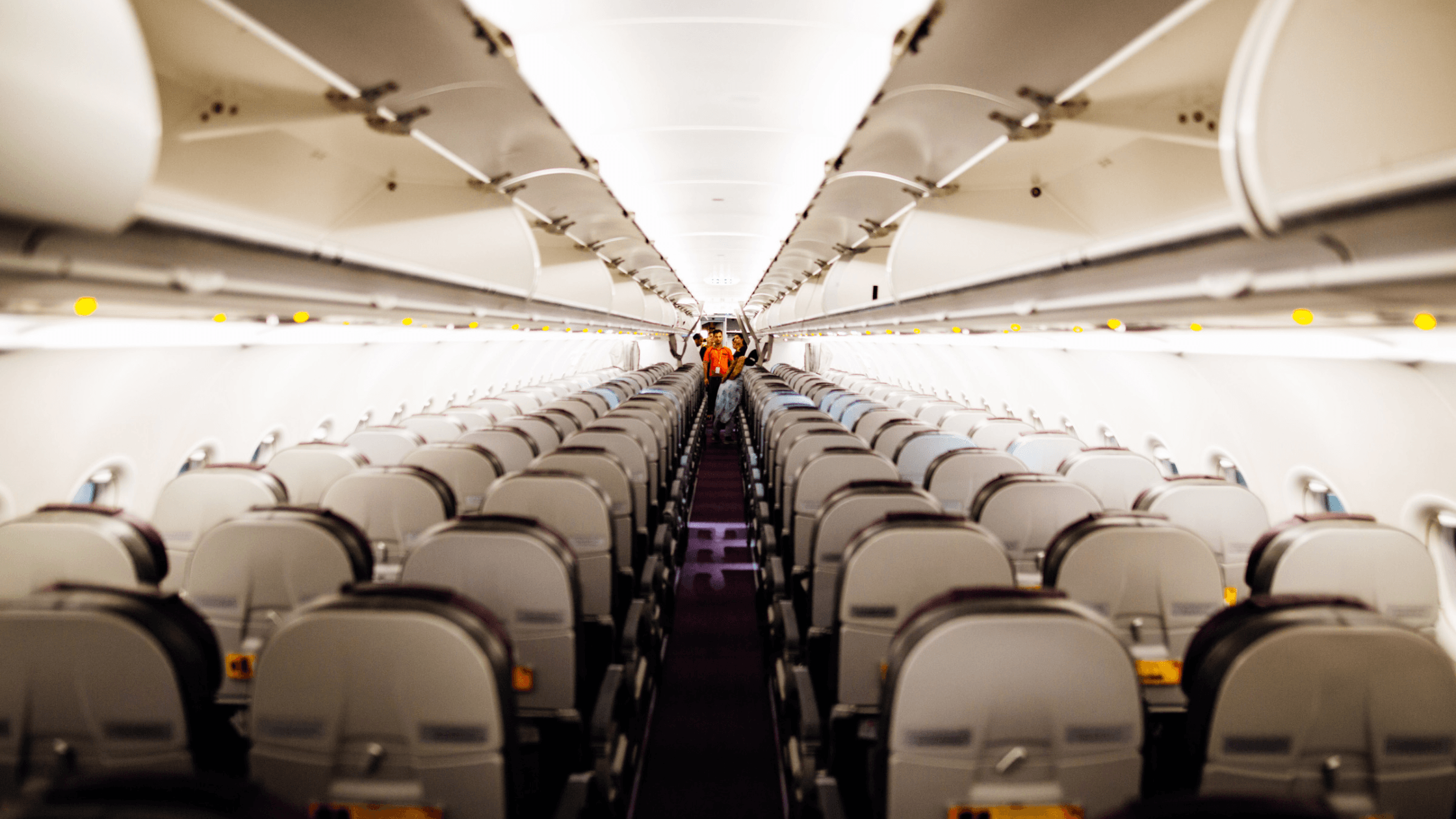
If you’ve ever stood at the seat selection screen debating window or aisle, you know it feels like a bigger decision than it should be.
The wrong seat on a four-hour flight can mean a stiff neck, a cramped bladder, and a stranger’s elbow in your ribs. The right one can mean sleep, space, and a view worth remembering.
So, what is the best airplane seat? The honest answer: it depends on how you fly. But it isn’t a coin toss.
Below, we break down window vs. aisle seat by comfort, sleep, bathroom access, safety, turbulence, and cost, then give you a simple way to choose in under a minute.
Window or Aisle: Which Is the Best Airplane Seat?
Choose a window seat if you want to sleep, lean against the wall, enjoy the view, or avoid being disturbed.
Choose an aisle seat if you want to move freely, have quick bathroom access, get extra legroom, and exit easily when you land. Avoid the middle seat unless it’s the only option left.
Window vs Aisle Seat at a Glance
| Factor | Window Seat | Aisle Seat |
|---|---|---|
| Sleeping | Best (wall to lean on, control of the shade) | Fair (people and carts bump you) |
| Bathroom access | Poor (you must disturb others). | Best |
| Leg room | Limited by the wall curve | Can stretch a leg into the aisle |
| Views | Best | None |
| Getting off quickly | Slow | Fastest |
| Overhead bin access | Harder | Easier |
| Interruptions | Few | Frequent |
| Best for | Sleepers, nervous flyers, photographers, long flights | Tall travelers, frequent bathroom users, tight connections |
The Case for the Window Seat
You control your space
The window seat is the only one with a wall beside you. That means one fewer neighbor, no one climbing over you, and a firm surface to rest your head on.
If you have ever attempted to nap in an aisle seat while a drink cart grazes your shoulder, you already comprehend why those who sleep prefer the window.
The view
Few things in travel beat watching a city light up below you at dusk or seeing mountains, coastlines, and volcanoes slide past at cruising altitude.
For photographers and curious travelers, the window seat is the main attraction. Pick a seat on the side of the plane facing the scenery you want. On flights across central Mexico, for example, the volcano corridor is a highlight in clear weather.
It can help with nervous flying
Many anxious flyers find it easier to see the horizon and the ground during takeoff and landing. Seeing what’s happening can make the movements feel less mysterious.
You control the window shade
Want darkness on a red-eye? Want to avoid glare on your laptop? The window passenger decides. That small bit of control matters on long flights.
Window seat downsides
- You have to ask your neighbors to move every time you need the bathroom.
- You’re trapped during meal service and turbulence if the seatbelt sign is on.
- The curved wall can reduce shoulder and knee room.
- Some window seats have no window at all (more on this below).
The Case for the Aisle Seat
Freedom to move
The aisle seat lets you stand, stretch, and walk without asking anyone. On a long flight, that matters.
Health authorities also widely recommend getting up and moving every hour or two to keep your circulation going on flights lasting several hours.
Faster bathroom trips
If you drink a lot of water on flights (which you should), the aisle is the practical choice. There’s no awkward shuffle, no waiting for two sleeping strangers to wake up.
More legroom, with a catch
In an aisle seat, you can extend one leg slightly into the aisle. That’s a real advantage for tall travelers. The catch: your leg and shoulder are exposed to passing passengers and drink carts. Many aisle passengers get bumped repeatedly.
Easier boarding and exiting
Aisle passengers can reach the overhead bin faster, grab bags more easily, and be among the first out of the row when the doors open.
If you have a tight connection, this can save you precious minutes. A quiet lounge can make a long layover much more bearable. See our guide to airport lounge day passes and whether they’re worth it.
Aisle seat downsides
- You get bumped by carts, bags, and passengers.
- You can’t lean against anything while sleeping.
- You’ll likely be woken up if your rowmates need the aisle.
- No view.
Which Seat Is Safer: Window or Aisle?
This is one of the most searched questions about airplane seats, and the truthful answer is less dramatic than headlines suggest.
- Serious accidents are rare. Commercial aviation is one of the safest forms of transport, and survival depends on many variables: the type of accident, impact forces, fire, and how quickly passengers can evacuate.
- Some historical analyses of crashes have suggested that seats toward the rear of the cabin have had slightly better survival rates than seats at the front. However, the differences are small and vary from accident to accident, so no seat location is guaranteed to be safer.
- Aisle seats can help in an evacuation because you’re closer to the exit path. Seats near exits and with a clear route are generally considered advantageous.
The practical takeaway: don’t choose your seat based on crash statistics. Instead, listen to the safety briefing, count the rows to your nearest two exits, and keep your shoes on during takeoff and landing.
Which Seat Is Best for Turbulence?
Turbulence is felt most strongly at the back of the plane and least over the wings, close to the aircraft’s center of gravity.
If you’re sensitive to bumps, a seat over the wing is typically the smoothest option. This applies to window and aisle seats alike, so combine your preference with location.
Which Seat Is Best for Sleeping?
For most people, the window seat is the better choice. A wall to lean on and a shade you control make a big difference on red-eyes and long-haul flights.
If you prefer the aisle but want to sleep, bring a quality neck pillow, an eye mask, and noise-reducing earbuds, and consider avoiding the aisle on busy, full flights where you’ll be bumped often.
Which Seat Is Best for Families and Kids?
Families often do better with a mix. Many parents prefer the aisle so they can reach the bathroom, change a diaper, or stand up with a restless toddler without disturbing others.
Kids who love planes usually want the window. If you can afford it, book a window and an aisle in the same row and leave the middle for a parent or child.
For more on flying with children, including lounge rules for families, read our guide to lounge access for families and guest policies.
Which Seat Is Best for Tall Travelers?
Tall passengers usually prefer the aisle or an exit row for the extra room to extend their legs.
Bulkhead seats (the first row of a cabin section) also offer extra legroom, but there’s no under-seat storage for your bag, and some have fixed armrests that make the seat narrower. Check the seat map and the aircraft type before you pay for a seat upgrade.
Which Seat Is Best for Avoiding Germs?
During flights, you’re most likely to come into contact with people and surfaces in the aisle. A well-known study from researchers at Emory University and Georgia Tech found that window-seat passengers had the least contact with other passengers during the flight, while aisle and middle-seat travelers had more.
It’s not a reason to panic, but if you’re run-down or just want to minimize contact, the window is the better option. Wipe down the tray table and armrests, and wash your hands.
What About the Middle Seat?
The middle seat is the least popular for good reason: no wall, no aisle, and often a fight for the armrest. If you end up in the middle seat, a few tricks can help:
- Be polite but claim your armrest space early.
- Choose a middle seat in a row with an empty neighbor if the flight isn’t full. Check the seat map at check-in and again at the gate.
- Consider paying a small fee for a better seat if the flight is long.
Seat Selection Tips That Actually Work
- Be sure to check the seat map before you pick. Tools like SeatGuru and AeroLopa show which seats have limited recline, misaligned windows, or are near galleys and lavatories.
- Beware “windowless windows.” Some window seats sit against a blank wall because of the way the fuselage is built. Look at reviews of the aircraft type before you choose.
- Avoid the last row and the rows near the bathrooms. They often have limited recline, plus noise, smells, and traffic.
- Choose by flight length. On short flights under two hours, the aisle is convenient. For long flights and red-eyes, the window is the better choice for sleep.
- Check in early. Free seat assignments tend to disappear quickly, especially on low-cost carriers.
- Know your airline’s rules. Many budget airlines and basic economy fares on legacy carriers charge for seat selection or assign seats at check-in. Compare the fee against how much you value the seat.
- Use status and credit cards. Elite status and some travel cards unlock free seat selection or preferred seats.
- Look for the 2-seat side on twin-aisle planes. On some wide-body planes, window seats in 2-4-2 layouts let couples sit together with no stranger between them.
Is It Worth Paying for a Seat?
It depends on the flight. For a 60-minute hop, probably not. For a long-haul flight or a trip with a connecting flight, paying for the seat you actually want can be money well spent. If you’re traveling with a partner or family, paying to sit together can save a lot of frustration.
So, Which Is the Best Airplane Seat for You?
Use this quick decision guide:
- Choose the window if you want to sleep, enjoy the view, feel calmer on takeoff, or don’t like being disturbed.
- Choose the aisle if you’re tall, drink lots of water, need to get up often, have a tight connection, or get restless.
- Choose over the wing if you’re sensitive to turbulence.
- Choose a row toward the front if you want to get off faster.
- Choose neither window nor aisle if you’re traveling with a partner and booking two seats in a three-seat row: take the window and aisle, and hope no one picks the middle.
There’s no universal best airplane seat, but there is a best seat for each trip. Decide what matters most on this flight (sleep, space, speed, or scenery) and book accordingly.
Frequently Asked Questions
Is it better to sit by the window or the aisle on a plane?
Neither is better for everyone. A window seat is best for sleeping, views, and minimal disturbance. An aisle seat is best for easy bathroom access, stretching, and getting off the plane quickly.
Which airplane seat is the most comfortable?
For most economy passengers, a window seat is the most comfortable for sleep, while an aisle seat is more comfortable for tall travelers and anyone who wants to move around.
Exit-row and bulkhead seats generally offer the most legroom, subject to airline rules and the aircraft type.
Which seat on a plane is the safest?
No seat is guaranteed to be safest. Some historical analyses suggest seats toward the rear have had slightly better survival rates, but the differences are small and depend on the accident. Focus on knowing where your nearest exits are.
Where should I sit to avoid turbulence?
Sit over the wing, close to the center of the plane. The back of the aircraft usually feels the most movement.
Is the aisle or window seat better for long flights?
Most people prefer the window on long flights because it makes sleeping easier and prevents interruptions. If you know you’ll need to walk and use the bathroom often, the aisle may suit you better.
What is the worst seat on a plane?
Many travelers consider the middle seat, the last row (limited recline and near the lavatories), and seats next to galleys the worst. Windowless “window” seats and seats with misaligned or missing windows can also disappoint.
Is it worth paying extra to choose my seat?
On long flights, with connections, or when traveling as a group or with children, paying for the seat you want is often worth it. For short, simple trips, a free assignment is usually fine.
Can I switch seats after boarding?
Usually, yes, if there’s an open seat, but ask the flight attendants first, especially if the seat is in a different fare class or an exit row. Don’t move without permission, as weight and balance and safety rules can apply.
Final Thoughts
The window-or-aisle debate comes down to one question: what do you value most on this flight? If it’s rest and a view, grab the window.
If you value freedom and speed, choose the aisle. And if you plan your seat selection ahead of time, you’ll avoid the middle altogether.
Planning your next trip? Explore more practical travel guides on Routes & Tales, including our breakdowns of Priority Pass vs DragonPass and the best airport lounges in Mexico City (MEX), so your whole journey is as comfortable as your seat.