Most advice on travel credit cards is written for people living in the United States. You’ll read glowing reviews of cards you can’t even apply for unless you have a US Social Security number and a US credit history.
That’s frustrating, and it’s also unnecessary, because the principles behind choosing the right travel credit card are universal.
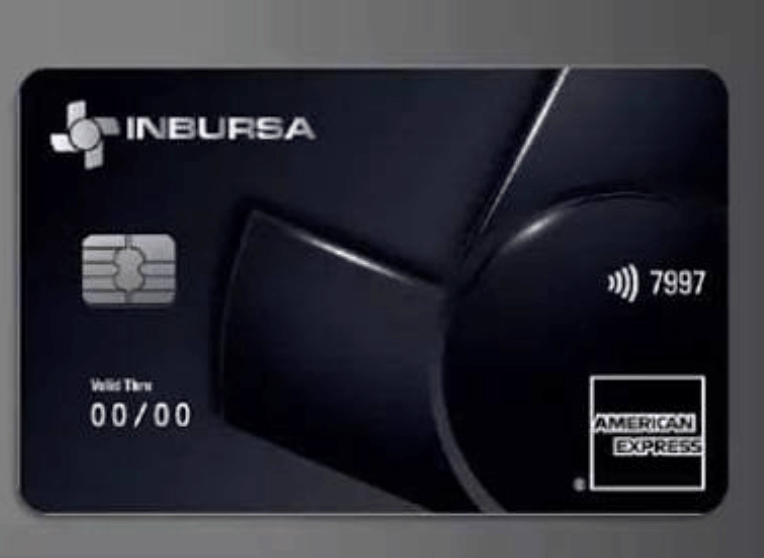
I live in Mexico, and I carry two travel cards: the Inbursa Black American Express and the American Express Platinum Card.
Neither of those may be available where you live, and that’s exactly the point of this article. Instead of telling you which card to get, I’m going to show you how to evaluate the travel cards available in your own country, using the same framework I used to build my own card setup.
Apply this process to your local market: Mexico, Nigeria, India, the UK, Brazil, the Philippines, or wherever you are, and you’ll end up with the right card for your life, not someone else’s.
Why Travel Credit Cards Are Worth Considering in the First Place
Before we get into selection, let’s be clear about what a good travel credit card actually gives you.
Rewards on spending you were going to do anyway
Travel cards earn points or miles on every purchase, which you can later redeem for flights, hotel nights, and other travel expenses. The money you spend on groceries and utilities quietly funds your next trip.
Sign-up bonuses
Many cards offer a welcome bonus after you meet a minimum spend in the first few months. Done responsibly, this can be worth a free flight or several hotel nights right out of the gate.
Airport and travel perks
Premium travel cards often include airport lounge access, priority boarding, free checked bags on partner airlines, and hotel upgrades.
My Amex Platinum, for example, gets me into lounges that turn a stressful early-morning connection into a quiet coffee and breakfast.
No foreign transaction fees
This one is underrated. A card that waives foreign transaction fees can save you 2–3% on every single purchase abroad. Over a two-week trip, that adds up fast.
Travel insurance and protections
Trip cancellation coverage, rental car insurance, lost luggage reimbursement, purchase protection, and extended warranties are often bundled in benefits many cardholders never realize they have.
Credit building
Used responsibly, a travel card builds your credit history in your local system, which matters for future loans, mortgages, and better card offers down the line.
How to Select the Right Travel Credit Card
Now, here’s how to actually choose one.
Step 1: Be Honest About How Often You Travel
This is the foundation everything else rests on.
If you fly several times a year, a premium card with an annual fee can easily pay for itself through lounge access, insurance, and elevated earning rates.
If you take one trip a year, a high-fee card is probably a losing proposition no matter how shiny the benefits look.
In my own case, the Amex Platinum only makes sense because I actually use the lounge access and travel benefits regularly. If I traveled once a year, I’d downgrade in a heartbeat.
Run this same honesty test on the cards available in your country. The math is the math, whether the fee is charged in pesos, naira, rupees, or dollars.
Step 2: Map the Cards to Your Airlines and Hotels
Loyalty pays, but only if the card supports it.
If you consistently fly one airline or stay with one hotel chain, look for local cards co-branded with them or cards whose points transfer into their loyalty program.
In Mexico, for instance, Aeroméxico co-branded cards make sense for people who fly Aeroméxico constantly, and every country has its own equivalents.
If your travel is more scattered, prioritize flexible rewards over airline-specific miles. Flexible points that can be redeemed against any travel purchase (or transferred to multiple partners) are almost always more valuable to an irregular traveler than miles locked into one airline.
Step 3: Decide What You’re Actually Optimizing For
Travel cards generally deliver value in two buckets, and the best card for you depends on which bucket matters more.
- Earning power points and miles that accumulate toward free travel.
- Travel perks, lounge access, free bags, priority boarding, upgrades, and insurance.
A young traveler on a budget usually gets more value from earning power and zero foreign transaction fees.
A frequent business traveler often gets more value from perks that make travel less painful. I carry two cards partly for this reason: the Inbursa Black Amex and the Amex Platinum cover different jobs in my wallet. You may not need two cards, but you do need to know which bucket you’re shopping in.
Step 4: Do the Annual Fee Math (Ruthlessly)
Here is the single most useful exercise in this entire article. Take any card you’re considering and write down:
- The annual fee in your local currency
- The realistic value of the benefits you will actually use in a year
Not the benefits on the brochure, but the ones you will use. Lounge access you’ll never use is worth zero.
A hotel credit for a chain that has no properties in your country is worth zero. Insurance you’d have bought anyway is worth its full price.
If your realistic benefit value comfortably exceeds the fee, the card earns its place. If you have to squint and stretch to justify it, it doesn’t.
This calculation looks different in every country because fees, benefits, and travel patterns differ, which is why you must run it on your local cards rather than trusting a review written for another market.
Step 5: Check Foreign Transaction Fees Before Anything Else
For international travelers, this is often the make-or-break feature. A card that charges 2.5–3.5% on foreign purchases silently erases most of the rewards it earns you abroad.
Check the fine print on every local card you’re considering. In many countries, only a handful of cards waive this fee, and identifying them narrows your shortlist dramatically.
If you travel internationally even a couple of times a year, a no-foreign-transaction-fee card should be near the top of your criteria list.
Step 6: Compare Earning Rates and Redemption Value Together
A card advertising “3 points per dollar” tells you nothing on its own. What matters is the combination of:
- How fast you earn (points per unit of currency spent, plus bonus categories)
- What each point is worth when redeemed (which varies enormously between programs)
- How flexible redemption is (flights only? hotels? statement credits? transfer partners?)
Some programs quietly devalue their points over time or make the good redemptions nearly impossible to book.
Before committing to a card, search for real redemption examples from cardholders in your country. Forums and local personal finance communities are gold for this.
Step 7: Evaluate the Sign-Up Bonus Without Letting It Seduce You
Welcome bonuses can be genuinely valuable, sometimes worth a round-trip flight. But two warnings:
First, only chase a bonus if you can hit the minimum spend with money you were going to spend anyway. Manufacturing spending to hit a threshold defeats the purpose.
Second, never choose a card primarily for the bonus. The bonus is a one-time event; the annual fee and the earning structure are what you’ll live with for years. Pick the card that’s right long-term, and treat the bonus as a pleasant accelerator.
Step 8: Read the Insurance and Protection Benefits Carefully
This is where premium cards often hide their real value. Depending on the card and country, you may get trip cancellation/interruption insurance, rental car collision coverage, lost or delayed baggage reimbursement, medical assistance abroad, purchase protection, and extended warranties.
These benefits vary significantly by issuer and by country; the same card brand can carry different insurance terms in different markets.
Download the actual benefits guide for the card as issued in your country and read it. It’s boring. Do it anyway.
Knowing you have rental car coverage through your card can save you real money at every rental counter for years.
Step 9: Know Your Credit Profile and Local Requirements
The most rewarding travel cards typically require a solid credit history and, often, a minimum income. Requirements differ wildly between countries: some markets base approval heavily on declared income, others on credit bureau scores, and others on your existing relationship with the bank.
Before applying, check the eligibility criteria for cards in your market, and be realistic. A rejected application can ding your credit file.
If you’re not yet eligible for the premium tier, start with an accessible travel card, build history, and upgrade later. That’s a completely normal path.
Step 10: Match the Card to Your Financial Discipline
One rule sits above everything else in this article: travel rewards only make sense if you pay your balance in full every month.
Travel credit cards tend to carry high interest rates. If you carry a balance, the interest charges will devour your rewards many times over.
You’d be better off with a basic low-interest card and no perks at all. Be honest with yourself about your payment habits before adding a rewards card to your wallet.
A Note on Building a Two-Card Setup
Once you’re comfortable, many travelers eventually settle into a two-card system: one premium card for travel perks and big purchases, and one everyday card for local spending.
That’s essentially what my Inbursa Black Amex and Amex Platinum combination does for me here in Mexico; each card has a defined job.
But don’t rush this. One well-chosen card, used with discipline, beats a wallet full of cards you can’t fully utilize. Add a second card only when you can clearly articulate what job it does that your first card doesn’t.
Frequently Asked Questions
Is a travel credit card worth it if I only travel once a year?
Usually yes, but choose a no-annual-fee (or low-fee) card with no foreign transaction fees rather than a premium card. The premium tier only pays off with regular travel.
Should I get an airline card or a flexible rewards card?
If 70%+ of your flights are on one airline, a co-branded card can make sense. Otherwise, flexible rewards almost always deliver more value.
Do the benefits of the same card differ between countries?
Yes, significantly. An American Express Platinum issued in Mexico, the UK, or India carries different fees, benefits, and insurance terms. Always evaluate the version issued in your country.
What’s the biggest mistake people make choosing a travel card?
Choosing based on someone else’s market. A card review written for US readers tells you almost nothing about the cards available to you.
Use the framework: travel frequency, fee math, foreign transaction fees, redemption value, and your own discipline, and apply it locally.
Final Thoughts
The right travel credit card isn’t the one with the most impressive marketing page. It’s the one whose benefits map onto your actual travel patterns, whose fee is justified by benefits you’ll genuinely use, and whose rewards program works in your country’s market.
I arrived at my own setup, the Inbursa Black American Express and the Amex Platinum, by running exactly this process on the cards available to me in Mexico.
Your answer will look different, and it should. Take the framework, apply it to your local options, do the fee math honestly, and you’ll end up with a card that quietly funds your travels instead of quietly draining your wallet.
1 thought on “How to Select the Right Travel Credit Card”